The Hidden Costs of Moving to Rural Prince George, BC
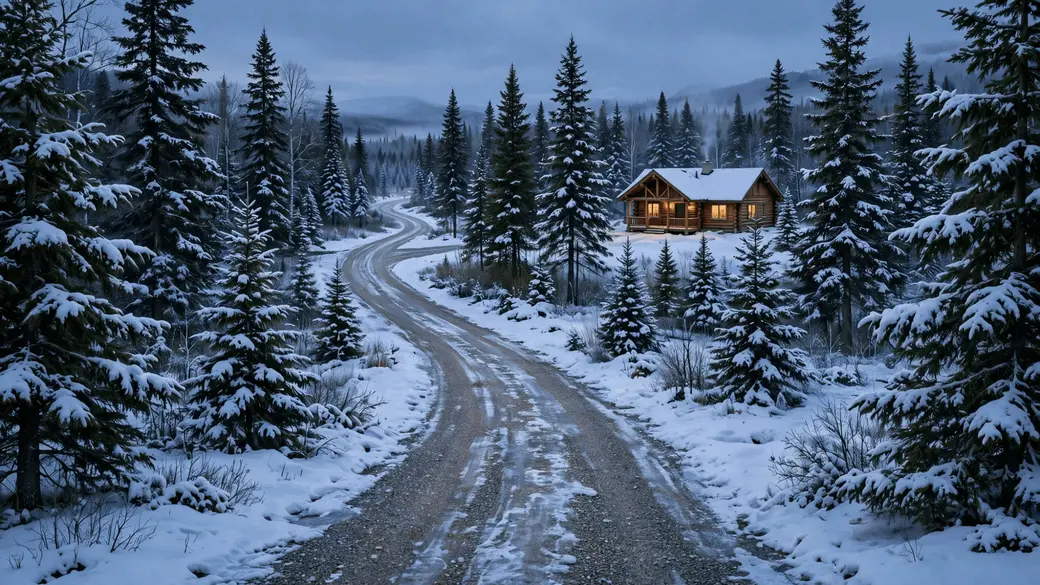
The Hidden Costs of Moving to Rural Prince George, BC
Rural Prince George can look cheaper than the city, and the house price often is, but the land brings bills a city home does not have. You own your water, your sewer, your heat source, your long driveway, and often your internet fix. None of those are deal breakers, but all of them need a budget and a check before you remove subjects.
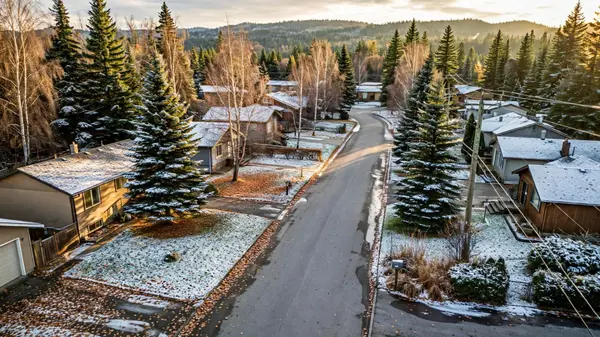
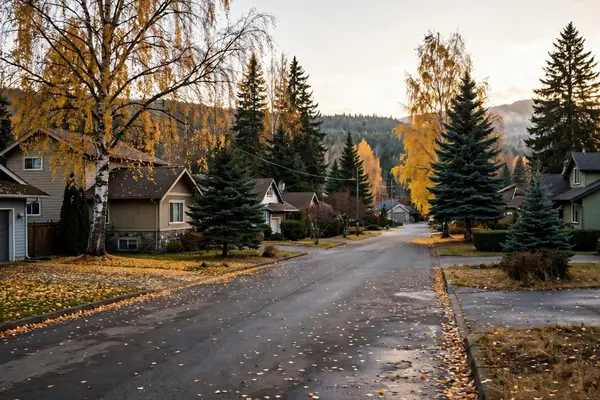
Rural here means different things on different roads. It can mean a large lot just outside the city, with city services close by. It can also mean Ness Lake, Chief Lake Road, Salmon Valley, Buckhorn, Beaverly, Pineview, or the outer Hart, where the house sits on a well and a septic system, the road is not a city street, and the nearest fire hall is a volunteer hall, not a city hall. The first job is to find out which kind of rural the property actually is, then price that kind, not the idea of it.
The city numbers help as a starting point. The average detached home in the City of Prince George sold for $539,144 in the first nine months of 2026, across 656 sales. BC Assessment puts the typical single-family home in the city at $459,000 on the 2026 roll, valued as of July 1, 2025. A rural home can come in below those figures, and still cost more to run each year. That is the trade most buyers miss.
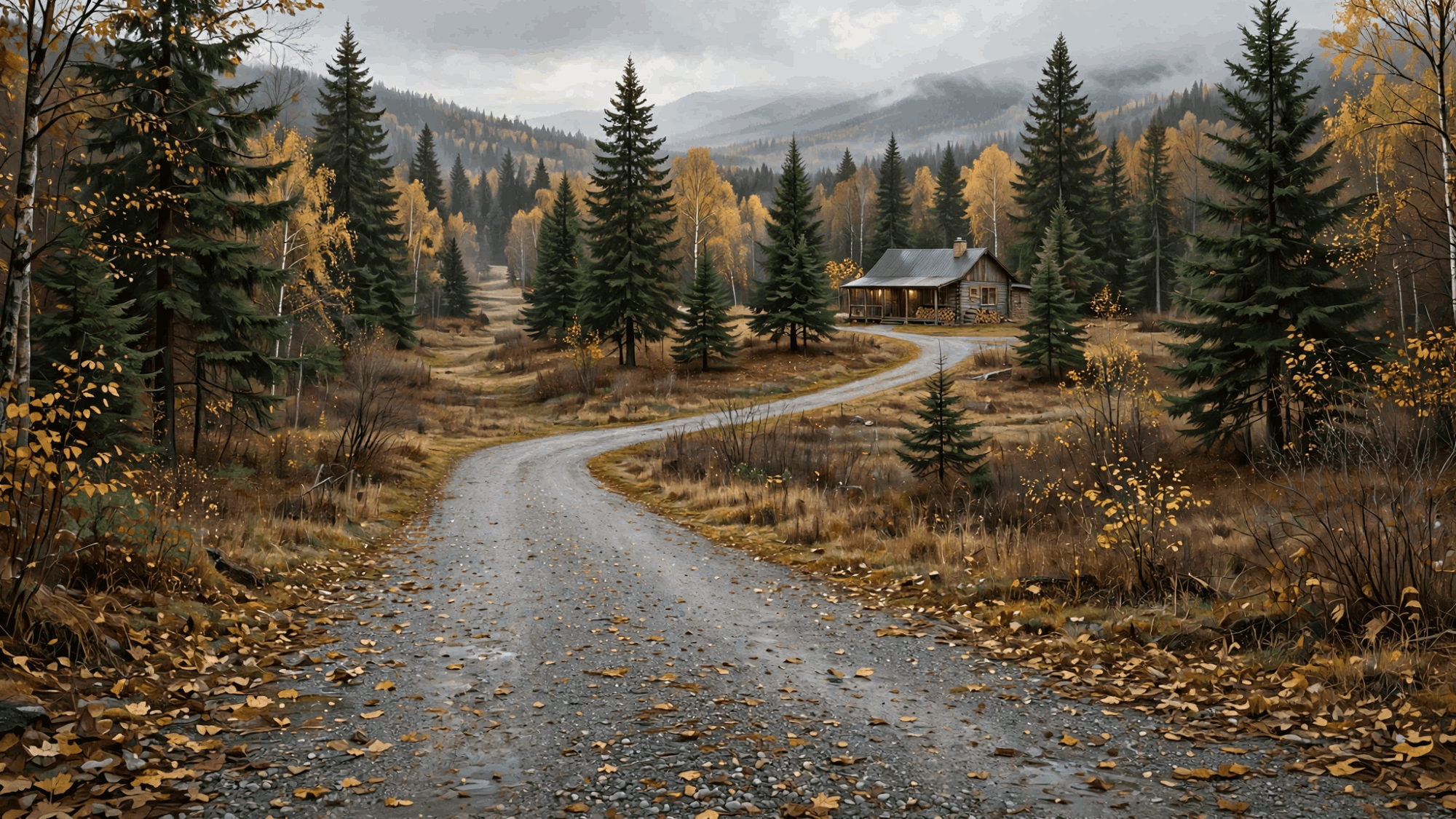
What does rural mean around Prince George?
Rural around Prince George means a home outside the city services you get in town, usually on a private well and a septic system, with a longer driveway, a longer commute, and services that come from the Regional District of Fraser-Fort George or the Province, not from the City. Some large lots inside city limits do have city services, so check the exact property, not the area name.
The boundary matters more than the postcode. Inside the city, you get city water, sewer, garbage pickup, city snow clearing, and Prince George Fire Rescue. Outside the city, you generally get none of those in the same form. Property tax outside the city is paid to the Province, not to the City. Building permits and zoning outside the city come from the Regional District of Fraser-Fort George. That is not a worse setup, it is a different one, and the costs sit with the owner instead of on a city bill.
Ness Lake is a good example of how far rural can still feel close. The lake is about 35 kilometres northwest of the city, via Highway 97 and Chief Lake Road, with a regional park, a public beach, and year-round homes. It feels like a lake community, and it is, but the water, sewer, fire, and road answers are still rural answers. Distance on a map does not tell you the service level. The property file does.
How much does a well really cost to own?
A well is your water supply, and you own every part of it, the pump, the pressure tank, the power to run it, the testing, and any treatment. Ask for the well record, the depth, the construction date, the driller report, and any past water tests, then have the water tested by a qualified lab and run a flow test before you remove subjects.
Wells drilled or altered in recent years should be in the provincial well database. Older wells may not be, and registering a domestic well is strongly encouraged. If the seller cannot show a record, that is not proof the well is bad, it is proof you need your own test, and your own budget for what the test finds.
HealthLink BC advises well owners to test for bacteria at least once a year, and to test for chemicals such as arsenic, nitrates, fluoride, and manganese. A flow test tells you whether the well can keep up with a household, not just whether water comes out of the tap on showing day. A household with a family, a garden, and a few extra loads of laundry uses water differently than a single person did.
The ongoing costs are smaller than the surprise costs. Testing, a filter or treatment system if the water needs one, and power for the pump are regular costs. A pump replacement, a pressure tank, or a well that runs low in a dry stretch are the bigger ones. If the property draws water from a lake, creek, or spring instead of a well, ask whether there is a provincial water licence, what it allows, and whether it will transfer to you. Groundwater for household use does not need a licence in the same way, surface water is different.
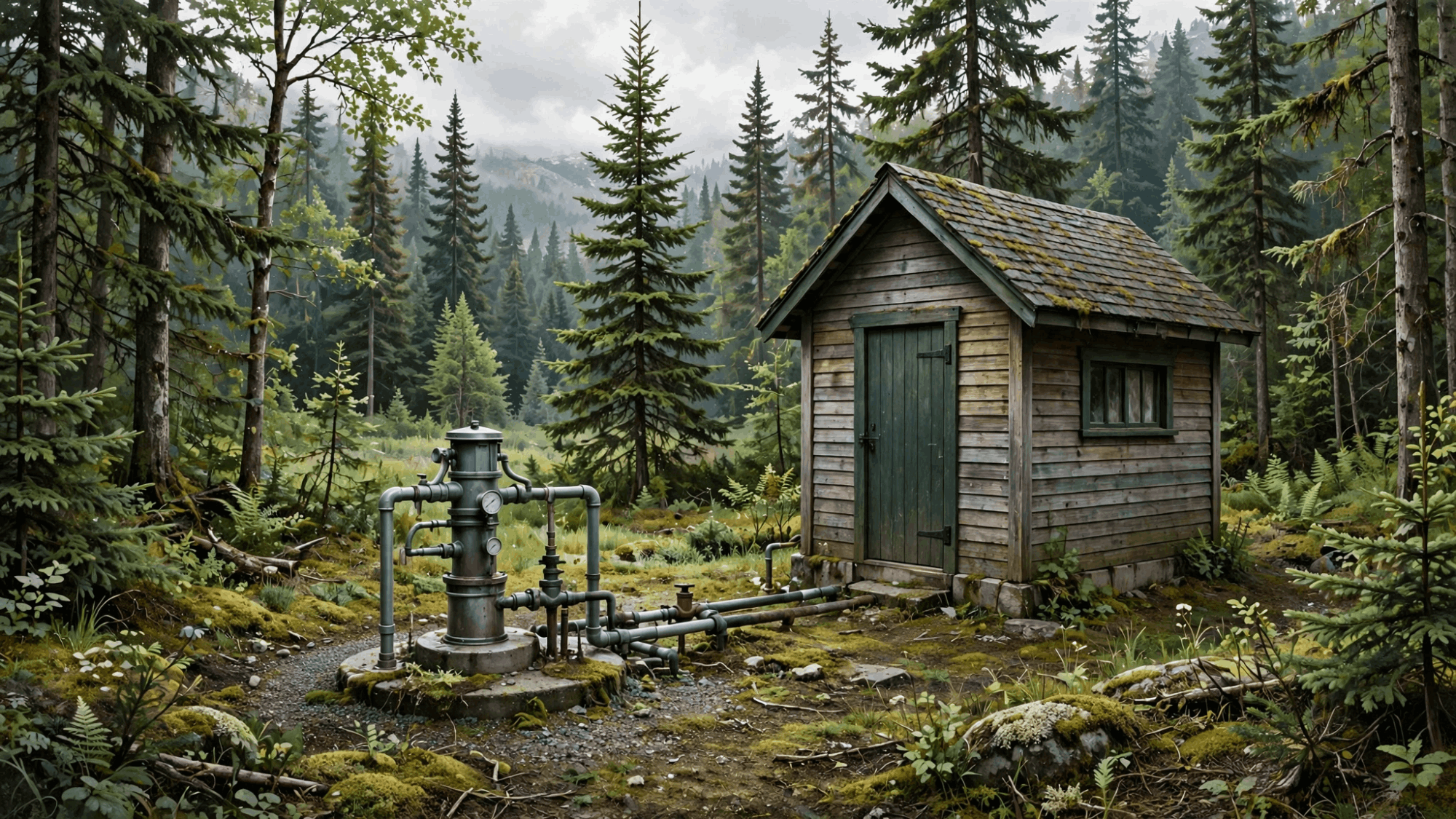
What should you check on a septic system before you buy?
In BC, only an authorized person, a Registered Onsite Wastewater Practitioner or a qualified professional, may design, install, repair, or inspect a septic system. Ask the seller for the filing records, the plans, the maintenance plan, the last pump-out date, and any repairs, then get a separate inspection by an authorized person during your subject period.
A standard home inspection does not cover the septic system. The inspector looks at the roof, the furnace, and the visible plumbing inside the house, and the report is silent on the tank and the field. That is the gap that catches rural buyers. The tank and the field are the system, and they are underground.
When a system is installed, the authorized person files paperwork with the health authority, and the owner receives the plans and a maintenance plan. Northern Health is the health authority for this region. If the seller has no records, ask Northern Health for the filing, using the parcel number and the civic address. Older systems may have no maintenance plan, but an authorized maintenance provider can build one for you.
The cheap part is the pump-out, usually every three to five years depending on tank size and household use, and usually a few hundred dollars. Skipping it is how solids carry over into the field and shorten the field life. The expensive part is a failed field. Repairs to a failed system often mean building a new system, and the owner is required by law to fix a failing system as soon as possible. Get a quote for the worst case before you offer, not after you own it.
Source: Northern Health, Sewerage and subdivision.
How do heating, power, and internet change outside the city?
Many rural homes have no natural gas line, so heat comes from propane, wood, electric baseboards, a heat pump, or heating oil, and each one has a different monthly cost, a different delivery or labour cost, and a different insurance question. Check the heat source, the age of the equipment, and the insurance quote before you remove subjects, not after.
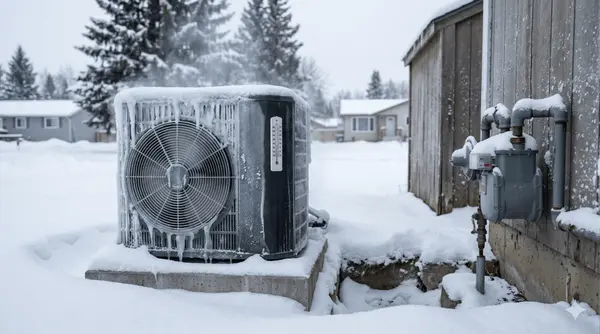
Propane means a tank, a delivery schedule, and a rental or purchase cost for the tank. Wood means buying, cutting, splitting, stacking, and hauling, or paying someone to do it, plus dry storage. Electric heat is simple, but it can be expensive in a cold northern winter, and a heat pump works differently in minus 20 than it does in minus 5. Heating oil means a tank, deliveries, and a strict insurance view of an old tank. None of these are wrong, they are just not the same as a city gas furnace, and the monthly bill will show it.
Many insurers ask for an inspection of a wood-burning appliance by a certified inspector before they will insure the home, and some will want an approved primary heat source. Call your insurer at the start of your subject period, not the end, and get the quote in writing before you remove subjects. A wood stove that looks cosy in a listing photo can change the insurance price, or the insurer, if it is not inspected and approved.
Internet is the other service to check at the exact address, not at the neighbour's address. Fibre and cable reach many city homes, and they do not reach every rural road. Satellite is the usual fallback in rural BC, and fixed wireless serves some valleys and corridors. Check what is actually available at that civic address, what speed it delivers, and what it costs per month, before you count on working from home there. A house that is perfect for weekends can be a poor fit for remote work if the connection is slow or unreliable.
Who clears the road, the driveway, and who puts out a fire?
Outside the city, fire response comes from the Regional District volunteer fire departments, and only inside defined fire protection areas. Some rural properties are inside one, some are not. Check the fire protection area for the exact property, then talk to your insurer, because fire protection and distance to a hall affect the quote.
The Regional District runs volunteer departments at places such as Ness Lake, Salmon Valley, Bear Lake, Beaverly, Buckhorn, Pilot Mountain, Pineview, and Hixon. They are real departments, staffed by volunteers, and they serve defined areas funded by local property owners. If a property sits outside a fire protection area, there may be no fire response at all, and insurance will reflect that. Do not assume coverage from the name of the nearest community.
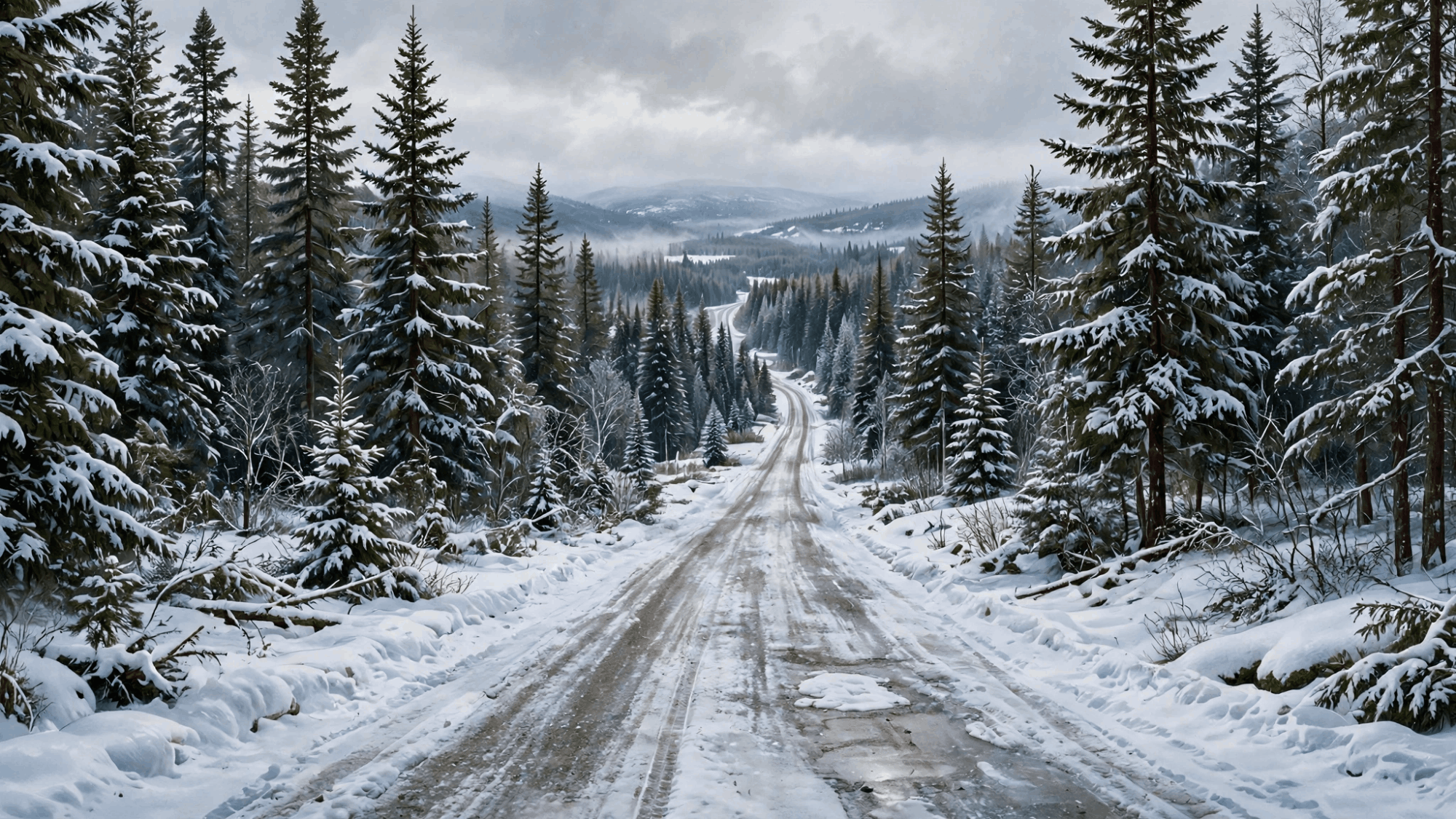
Snow is the other winter cost that scales with the lot. In the city, roads are plowed by priority, with arterial roads first, then collectors, then residential roads. A long rural driveway is yours to clear, every snowfall, for months. A short city driveway and a 100-metre rural driveway are not the same job. Budget for a snowblower or a tractor, or for a contractor who will come on a schedule, and ask how the road to the property is maintained in winter, and who maintains it. Some lake properties have seasonal road access only, so ask about access in January, not just in July.
The same check applies to garbage, recycling, and school transport. Rural homes often haul their own garbage to a transfer station, and school bus routes do not reach every road. Those are small costs on their own, and they add up to a different weekly routine. If you have kids, check the school bus route and the drive to school before you buy, not after the first school morning.
What about zoning, the Agricultural Land Reserve, and building on the land?
Land in the Agricultural Land Reserve can be a wonderful place to live, but some plans need permission from the Agricultural Land Commission, such as subdividing, building an additional residence, or running a non-farm business. Check the ALR map for the parcel, then check zoning with the Regional District or the City.
Rural zoning decides how many dwellings a lot may hold, how tall the house and outbuildings can be, and what you can build next. A shop, a carriage house, a second home for family, or a home business are not automatic, even on a large lot. Check the zoning for that parcel, and check whether any outbuildings were built with permits. An unpermitted shop or suite can become your problem on resale, on insurance, and on financing.
The same rule applies to a suite. A rural home with a suite needs the suite to be legal and permitted, with a septic system sized for the extra bedrooms. A septic system is sized to the expected flow, which depends on the number of bedrooms, so adding a bedroom or a suite without checking the system can overload it. Ask the authorized person who inspects the septic whether the system can handle the home as it is, and as you plan to use it.
City versus rural: what changes on the monthly bill?
The house price can be lower in rural Prince George, and the monthly running costs can be higher, because you pay directly for water, sewer, heat delivery, driveway clearing, garbage hauling, and internet, instead of paying for them through a city bill. Add those together before you compare a rural price to a city price.
City home water: city water, billed. Rural home water: private well, you own it. Check well record, water test, flow test. City sewer: city sewer, billed. Rural sewer: septic system, you own it. Check filing, pump-out date, authorized inspection. City heat: often natural gas. Rural heat: propane, wood, electric, oil, or heat pump. Check fuel cost, tank, insurer view of wood heat. City fire: city fire rescue. Rural fire: volunteer hall, only in a fire protection area. Check if the property is inside an area, insurance quote. City snow and road: city plows by priority. Rural snow and road: long driveway is yours, road maintenance varies. Check driveway length, who maintains the road. City internet: fibre or cable often available. Rural internet: satellite or fixed wireless often the fallback. Check speed and price at the exact address. City property tax: paid to the City, 2026 total rate $9.7125 per $1,000. Rural property tax: paid to the Province outside city limits. Check the tax notice for that parcel.
Sources: BC Northern Real Estate Board, third quarter 2026 news release, October 7, 2026; BC Assessment, North Central BC 2026 Property Assessments Announced, January 2, 2026.
Is rural Prince George worth it?
Yes, for the right buyer, rural Prince George is worth it, and the buyers who do best go in with eyes open. They get space, quiet, a yard, a shop, and a lake or a forest close by, and they pay for it with their own water, sewer, heat, driveway, and internet, instead of a city bill.
The buyers who struggle are the ones who compare only the purchase price. A rural home that is $50,000 cheaper than a city home, with a well pump to replace, a septic field to watch, a propane tank to fill, and a long driveway to clear, can cost more in the first two years than the city home would have. That does not make it a bad buy, it makes it a buy that needs a real budget, not just a mortgage payment.
Before you offer on a rural home, run this short list: well record and water test, flow test, septic filing and authorized inspection, fire protection area and insurance quote, heat source and fuel cost, internet at the exact address, road and driveway maintenance in winter, ALR and zoning, and permits for every outbuilding and suite. If those checks come back clean, you are not buying a surprise, you are buying space, and you know what it costs to keep it.
If you want help working through that list for a specific rural property, talk to us. We live and work here, and we will tell you straight what that road, that well, and that septic system mean for your budget, not just what the listing price says.
Talk to us!
Get the Home Buyer Guide: https://livinginprincegeorge.com/ultimate-home-buyers-guide
Book a call with Evan: https://bit.ly/Book-A-Call-With-Evan
Book a call with Marc: https://bit.ly/AskMeAnythingRE
Call Evan at 778-910-9655 or Call Marc at 250-251-5800
Evan McLeish and Marc Posselt, Prince George REALTORS with EMP Collective, eXp Realty.
Categories
Recent Posts