Which Prince George Neighbourhood Is Right for You?
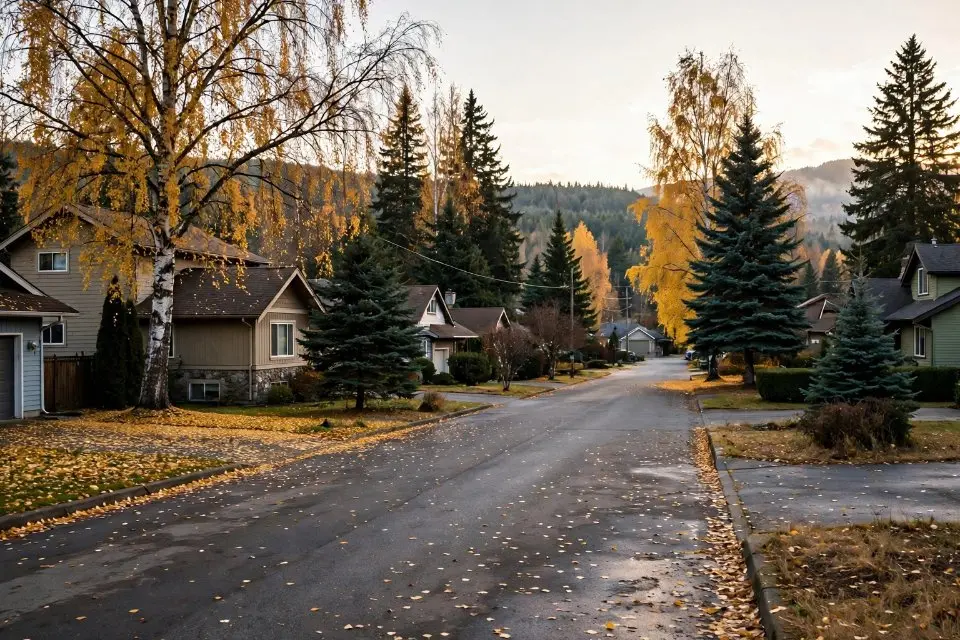
Which Prince George Neighbourhood Is Right for You?
The right Prince George neighbourhood is the one that fits your budget, your daily routine, and your plans for the next five years, not the one with the nicest listing photos. Start with how you actually live, then match that life to an area, and let the numbers confirm it.
Prince George has about 90 neighbourhoods, from established streets close to town to lake country on the edge of the city. That choice is a real advantage, and it is also where buyers get stuck. Two homes can cost the same and feel completely different, because the street, the commute, and the neighbours around them are different.
I am Evan McLeish, a Prince George REALTOR with EMP Collective, eXp Realty, and I have filmed video tours in 23 Prince George neighbourhoods, so you can see the streets before you drive them. This post uses those tours and the latest published city-wide numbers, so you can narrow the list with facts instead of guessing.
How do you pick the right neighbourhood in Prince George?
Pick a neighbourhood by testing it against four questions: what can you afford, where do you go every day, what does your household need most, and how long will you stay. An area that answers all four well is a shortlist area, and an area that fails even one of them is a place to cross off.
Start with money, because it sets the size of the list. The average detached home in the City of Prince George was $539,144 from January to September 2026, across 656 sales, according to the BC Northern Real Estate Board third quarter release. The board-wide benchmark price was $435,100 in October 2026, with 5.0 months of inventory, which is a balanced market. Those are city-wide and board-wide figures, not a price for any one neighbourhood, and no neighbourhood in this post carries its own price, because neighbourhood-level prices change with a handful of sales and go stale fast.
Next, map your daily life. Prince George is a regional hub of 76,708 people, 89,490 across the census agglomeration, according to the 2021 Census, with a hospital, a university, a college, mills and mines feeding steady demand across the city. Your anchors are the places you go most: work, school, childcare, groceries, and the people you visit. Drive the route at the time you would actually drive it, in winter as well as in summer, before you decide an area feels close enough.
Then think about the next five years, not just the next five months. A first home, a growing family, a move for work, and a downsize all point to different streets. A home that fits today and still fits in five years is worth more than a home that only fits today.
Which neighbourhoods fit which kind of buyer?
There is no single best neighbourhood in Prince George, only a best fit for each buyer. The table below groups the 23 neighbourhoods with a video tour by the buyer they most often suit, so you can start in the right group and then compare streets inside it.
 A neighbourhood can fit more than one buyer, so several areas appear in more than one row. That overlap is normal. Use the group as a starting point, then visit the streets and let the specific home decide.
| Buyer fit | Neighbourhoods with a video tour | Start your search by |
|---|---|---|
| First-time buyers | Spruceland, Beaverly, Westwood, South Fort George, Millar Addition | Setting a firm maximum price first, then comparing established streets inside it |
| Families | College Heights, Heritage, Hart Highlands, University Heights, North Nechako | Checking the daily routine, school run, work, and errands, on the actual streets |
| Relocators | College Heights, Heritage, Aberdeen, Vista Ridge, Westgate | Watching the video tour first, then driving the area on a visit before offering |
| Investors | South Fort George, Spruceland, Beaverly, Millar Addition, Westwood | Running the rent and expense numbers for that specific home, not a city average |
| Downsizers | Charella Gardens, Quinson, Birchwood Heights, St. Lawrence Heights, Lafreniere and Parkridge | Listing what you want less of, yard, stairs, and upkeep, and what you want close by |
| Rural and lake living | Ness Lake, Miworth, Creekside, The Crescents, Pinecone | Budgeting for the real costs of space, well, septic, and winter access, and confirming them |
The other neighbourhoods with a video tour are College Heights, Heritage, Hart Highlands, Aberdeen, Lafreniere and Parkridge, Vista Ridge, Spruceland, Beaverly, Westwood, South Fort George, St. Lawrence Heights, Millar Addition, North Nechako, Birchwood Heights, Quinson, Westgate, Charella Gardens, University Heights, Pinecone, The Crescents, Creekside, Miworth, and Ness Lake. That is 23 areas you can walk through on video before you ever get in the car.
What should first-time buyers look for?
First-time buyers should look for a home they can afford to keep, in an area where the daily costs stay predictable. A lower purchase price helps at the start, but the monthly payment, taxes, insurance, and upkeep are what decide whether the home still works in year two.
Get pre-approved before you fall in love with a street, and get it in writing, with the rate, the payment, and the conditions spelled out. Then set a maximum price and hold it, even when a home just over the line looks tempting. In a balanced market at 5.0 months of inventory, you have time to wait for the right home at the right price, and nobody is forcing you to waive an inspection or bid over asking on a Tuesday night.
Established areas are a good place to start, because the streets, the homes, and the costs are easier to compare. Walk the block in the evening, not just at noon on a Saturday. Look at the roofs, the driveways, and the general upkeep of the homes around the one you like, because those tell you more about the street than any listing photo.
Which neighbourhoods suit families best?
Families do best in a neighbourhood where the school run, the work commute, and the weekly errands all work on the same map. The right area is the one where the ordinary week feels easy, not the one with the biggest yard or the newest kitchen.
 Before you offer, drive the school run at school time, drive to work at work time, and time the grocery run. Ask the seller or the listing agent for the actual utility and tax figures for that home, not a city average, and check the age of the roof and the furnace in the inspection. A family home is a long hold, so the costs that matter are the ones that repeat every month, not the ones that only show up on moving day.
College Heights, Heritage, Hart Highlands, University Heights, and North Nechako are the family group in the table above, and each has a video tour you can watch first. Watch the tour, then walk the streets that interest you, and pay attention to how the area feels at the times your family would actually be out in it.
Where do relocators usually start?
Relocators usually start with the areas that are easiest to understand from a distance, then narrow the list on a visit. A video tour, a clear map of the daily anchors, and one honest conversation about winter are worth more than a dozen listings viewed from another city.
If you are moving to Prince George for work at the hospital, the university, the college, or one of the mills, start with the areas that keep that commute simple, and ask what winter does to it. Prince George is a northern city, and a route that feels short in July can feel very different in January. That is not a reason to avoid any area, it is a reason to test it in the season you will actually live there.
Rent first if you are unsure, and buy when you know the city. A short rental in the area you think you like is cheaper than buying in the wrong area and selling a year later. If you do buy right away, buy with conditions that let you verify the home, the costs, and the street, and do not waive them because the move feels urgent.
What should investors look for in a neighbourhood?
Investors should look for a neighbourhood where the rent for that specific home covers the real costs at today's rates. City-wide rent and price averages will not save a deal, because the average rent in Prince George was $1,354 a month in the latest CMHC survey, and the benchmark price was $435,100, which gives a gross yield of only 3.7 percent.
That math is why property type matters more than neighbourhood name. A detached home with a legal suite, a duplex, or a well-located two-bedroom can reach the rents the numbers need, while a single detached home rented to one household often cannot cash flow at the benchmark price. Before you count suite income, confirm with the City of Prince George that the suite is legal and conforming, because an illegal suite is a liability, not an asset.
Investors should also check the vacancy picture for the unit type they plan to rent. In the same CMHC survey, two-bedroom vacancy was the tightest at 3.7 percent, one-bedroom vacancy was 5.3 percent, and overall vacancy was 4.3 percent, up from 2.6 percent a year earlier. Run the numbers with vacancy and turnover costs included, and with a rate higher than today's, because a deal that only works at the lowest possible rate is not a deal, it is a bet.
What about downsizers?
Downsizers do best when they start with what they want less of, then choose the area that gives them more of what they actually use. A smaller home on the right street beats a bigger home in the wrong area, every time.
Make two lists before you look at a single home. The first list is what you want to leave behind: yard work, stairs, a long driveway, rooms you never use. The second list is what you want close by: groceries, health care, family, and the places you go every week. Then look only at homes that satisfy both lists, and do not let a nice kitchen pull you back into a home that fails the first one.
Talk to your lawyer and your accountant before you sell and buy in the same move, especially on timing, taxes, and the order of the two closings. A downsize is a financial move as much as a lifestyle move, and the order you do it in matters.
What is rural and lake living really like around Prince George?
Rural and lake living around Prince George trades convenience for space, quiet, and water, and the trade only works if you budget for the real costs of that space. A lake view does not pay for a well repair, a septic replacement, or a winter driveway, so confirm every one of those before you offer.
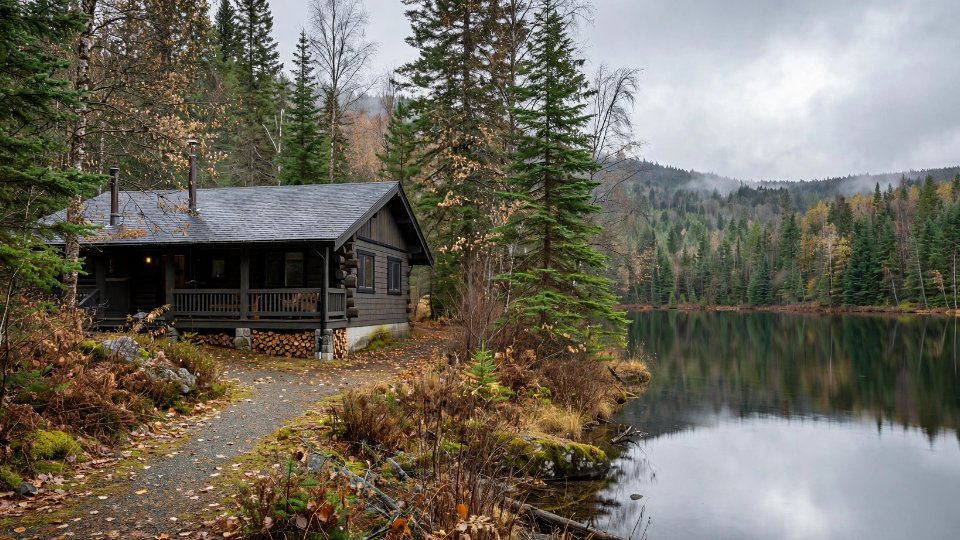 Ness Lake, Miworth, Creekside, The Crescents, and Pinecone are the rural and lake group in the table above, and each has a video tour. Watch the tour, then visit in person and ask the questions that do not show up in photos: water source and testing, septic age and records, road maintenance in winter, internet service, and how far the nearest groceries and health care really are.
Get a specialist inspection for a rural home, not just a standard one, and get quotes for the systems that are unique to that property. A rural home can be a wonderful place to live, and it can also be an expensive surprise, and the difference is almost always in the inspection and the paperwork, not in the view.
How do you compare neighbourhoods without guessing?
Compare neighbourhoods the same way every time: watch the video tour, drive the streets at the times you would actually use them, get the real costs for the specific home, and talk to a local REALTOR who knows the area. A shortlist built that way beats a ranking built on one sale or one opinion.
Here is a simple order that works. First, set your maximum price and your must-have list. Second, pick two or three groups from the table above and watch their video tours. Third, drive the streets that interest you, at school time and at work time, in the season you are buying in. Fourth, get the actual taxes, insurance quotes, and utility figures for any home you like. Fifth, offer with conditions that let you verify all of it.
The balanced market helps you here. At 5.0 months of inventory in October 2026, and a median 25 days on market for a sold single detached home in the third quarter of 2026, well-priced homes still move, but you have time to run the numbers. In this market, time is your edge, so use it.
What mistakes do buyers make when choosing a neighbourhood?
The biggest mistake is choosing a neighbourhood on price alone, then discovering the daily life does not fit. The second biggest is trusting one sale, one opinion, or one visit, instead of testing the area the way you would actually live in it.
- Buying on price alone. A cheaper home on the edge of town is cheap for a reason, and the reason usually shows up in the commute, the costs, or the resale.
- Skipping the winter test. Drive the route, walk the street, and look at the driveway and the roof in winter conditions, not just in summer.
- Trusting a city average for a specific home. The city average detached price was $539,144 from January to September 2026, and the benchmark was $435,100 in October 2026, but neither one tells you what a specific home on a specific street is worth.
- Waiving conditions to win. In a balanced market, you do not need to waive an inspection or financing condition to get a home, and waiving them removes the exact checks that protect you.
- Choosing for today only. A home that fits today and still fits in five years is worth more than a home that only fits today.
If you are still torn between two areas, spend a day in each one. Walk the streets, buy groceries, drive to work, and sit in the neighbourhood at the time you would be home. The right area usually makes itself clear by the end of that day, and the wrong one does too.
Where do you start?
Start by deciding what your life needs, then pick two or three neighbourhood groups from the table, watch their video tours, and let a local REALTOR run the real numbers on the homes you like. The buyers who do well in Prince George are the ones who choose the street first and the house second.
If you want help narrowing the list, Marc Posselt and I work with buyers across Prince George every week, and we will walk the streets with you, run the real numbers, and give you an honest answer about whether an area fits your life and your budget. No pressure, no hype, just the streets, the numbers, and a straight answer.
Prince George Real Estate and Local Resources
Get the Home Buyer Guide and select your program: https://livinginprincegeorge.com/ultimate-home-buyers-guide
Join the Free 12-Week PG Buyer Fast-Track Program: https://livinginprincegeorge.com/fast-track-buyer-program
Read the full article on our blog: https://livinginprincegeorge.com/blog
Book a direct call with Evan: bit.ly/Book-A-Call-With-Evan | Book a direct call with Marc: bit.ly/AskMeAnythingRE
Subscribe to Living in Prince George: https://youtube.com/@LivingInPrinceGeorge
Watch more Prince George videos: https://bit.ly/LivingInPG
Follow EMP Collective on Facebook: https://www.facebook.com/EmpCollective.PG and Instagram: https://www.instagram.com/emp.collective/ to see what living in Prince George actually looks like.
Call Evan: 778-910-9655 | Call Marc: 250-251-5800
Evan McLeish and Marc Posselt are Prince George REALTORS with EMP Collective, eXp Realty.
Sources: BC Northern Real Estate Board, third quarter 2026 release (City of Prince George average detached $539,144, 656 sales, January to September 2026) and October 2026 monthly release (board-wide benchmark $435,100, 5.0 months of inventory, median 25 days on market, third quarter 2026); CMHC Rental Market Statistics, Prince George, October 2025 survey (average rent $1,354, vacancy 4.3%, two-bedroom vacancy 3.7%, one-bedroom vacancy 5.3%); Statistics Canada, 2021 Census (city population 76,708, agglomeration 89,490). Neighbourhood video tours are Evan McLeish and Marc Posselt, Living in Prince George, YouTube. Checked November 19, 2026. This article is general information, not legal, tax or financial advice. Images in this post are generated illustrations, not photographs of a specific home or street.
Categories
Recent Posts