9 Essential Spring Home Tips to Save Your Prince George Property Value

Spring in Prince George isn’t just about the return of the sun and the end of shovel season. It is the moment your home faces its biggest annual stress test. As the snowbanks melt and the water table rises, the freeze-thaw cycle of Northern BC begins to work against your foundation, your roof, and your mechanical systems.
If you are a homeowner in Prince George especially in lower-elevation areas like "The Bowl", ignoring spring maintenance isn't just a chore skipped; it’s a financial risk. I’ve seen $50,000 foundation repairs that could have been avoided with a few hours of proactive work in April.
Here are the nine essential steps to protect your investment and ensure your next home inspection is a breeze.
1. The 1.5-Metre Rule for Snow Management
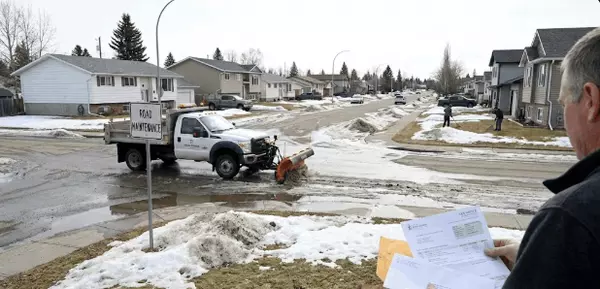
Your number one job in early spring is managing water. In Prince George, the ground stays frozen solid beneath the surface long after the air warms up. This means meltwater cannot soak into the earth, it just runs. If you have snowbanks piled against your siding, that water is headed straight for your basement.
Deep Dive: In our local climate, "The Bowl" and other lower elevation neighborhoods face a unique challenge with surface runoff. When you leave snow stacked against the house, you are essentially inviting a flood. You need to move that snow at least 1.5 metres (5 feet) away from the foundation. By exposing the grade, you allow the water to follow the natural slope of your property away from the building envelope. This is particularly critical for older homes in the Heritage area or those with window wells. If you see water pooling near a basement window, you are in the "danger zone." Take a shovel and create a path for that water to reach the street or your backyard drainage. It’s a simple, zero-cost move that protects your most expensive asset.
2. The Interior Hose Bib Test
Before you hook up the pressure washer to clean the winter grit off your truck, you need to check your hose bibs. If a hose was left attached during a -30°C cold snap, water likely trapped in the pipe and expanded.
Deep Dive: The trick with hose bibs is that the crack usually happens inside the wall, not on the outside spigot. You won't know it’s broken until you turn the handle and start spraying hundreds of gallons of water directly into your insulation and drywall. In Prince George, we have a lot of housing stock from the 70s through the 90s that still uses Poly-B piping. This plastic is notorious for becoming brittle, and the thermal stress of spring is often the final straw. The protocol is simple: have one person outside turn the valve slowly while a second person stands in the basement watching the interior pipe. If you hear a hiss or see a drip, shut it off immediately.
3. Foundation Scouting (The Frost Heave Check)
Frost heave in Northern BC is a powerful force. When soil freezes, it expands, and when it thaws, it collapses. This movement exerts massive lateral pressure on your foundation.
Deep Dive: Walk your entire perimeter and look for new cracks. Vertical cracks are often just "settling," but horizontal cracks or any visible bowing in a concrete wall are major red flags. Prince George also has a high prevalence of Permanent Wood Foundations (PWFs). While these are great for keeping a basement warm, they are vulnerable to moisture. If you have a PWF, check the interior base of the studs for softness and ensure the exterior polyethylene vapor barrier hasn't been snagged or torn by shifting ground. Catching a foundation issue in April costs a fraction of what it costs when a buyer's inspector finds it in the middle of a sale.
4. Gutter Maintenance: The Pine Needle Problem
Our beautiful tree canopy is a trademark of living in PG, but it’s a nightmare for gutters. Pine needles are acidic, they mat down, and they create solid plugs in your downspouts.
Deep Dive: When spring rains hit, a blocked gutter overflows right down your siding and back toward the foundation, undoing all your hard work in step one. In heavily treed areas like North Nechako or Cranbrook Hill, gutter cleaning is a three-times-a-year job. Ensure your downspout extensions are discharging water at least 5 feet away from the house. If you see "granular runoff" (little rocks from your shingles) in the gutters, it’s also a sign your roof is aging.
5. Inspecting for Ice Dam Aftermath
If you had massive icicles this winter, you likely had ice dams. This happens when heat escapes your attic, melts the snow on the roof, and then refreezes at the cold eaves.
Deep Dive: Water pools behind these ice dams and works its way up and under your shingles. This spring, look for lifted or cracked shingles at the lower edge of your roof. Inside the house, check your upper-floor ceilings for staining or bubbling paint. Prince George has many log homes and cathedral ceiling builds that are highly susceptible to this. A roof replacement in Canada can run $10,000 to $30,000, so identifying a few damaged shingles now for a quick repair is a smart move.
6. Sump Pump Stress Test
Your sump pump is the only thing standing between you and a lake in your basement during the "Big Melt."
Deep Dive: Don't just assume it works. Pour a bucket of water into the pit until the float triggers. If it doesn't kick on, you need a plumber today. More importantly, consider a backup. Northern BC springs often bring wind storms that knock out power lines. An AC-powered pump is useless in a blackout. A battery backup or a water-powered backup (if you’re on city water) provides the peace of mind you need when the clouds turn grey.
7. Prepping for Wildfire Smoke Season
It is the reality of living in the North wildfire smoke is now a seasonal event. Spring is the time to prep your HVAC system before the haze arrives.
Deep Dive: The most impactful health move you can make is upgrading to a MERV 13 furnace filter. These are designed to capture up to 85% of the fine particulate matter (PM2.5) found in wildfire smoke. However, do not just jam a HEPA filter into a standard furnace, as the resistance can burn out your blower motor. If you have an HRV (Heat Recovery Ventilator), have it serviced now and ensure you know how to set it to "recirculation mode" for when the air quality drops.
8. The Attic Frost Melt
Many homeowners see a leak in their ceiling in April and assume they need a new roof. Often, it’s actually "attic rain."
Deep Dive: All winter, warm humid air from your showers and cooking escapes into the attic if your ceiling isn't perfectly air-sealed. This air turns to frost on the underside of your roof deck. When spring hits, it all melts at once. Go into your attic with a flashlight. If you see rusted nails or compressed, wet insulation, you don't have a roof leak, you have an air-sealing issue. Fixing the seals around your pot lights and attic hatch will save you thousands in unnecessary roof repairs.
9. The Silent Risk: Radon Testing
This is the one most homeowners ignore, yet Prince George is a known "hot zone" for radon gas. Deep Dive: Radon is a radioactive, odorless gas that seeps in through foundation cracks and sump pits. It is the leading cause of lung cancer in non-smokers. A study by the BC CDC flagged that nearly one-third of homes in our region test above Health Canada’s safety threshold. Spring is the ideal time to start a 90-day test because your house is still relatively sealed up. Finding out your levels now allows you to install a mitigation system on your own terms, rather than having it become a deal-killer during a future home sale.
Summary
None of these steps are overly complicated, but they all protect your equity. Taking a "Helpful Teacher" approach to your own home maintenance ensures that when you're ready to move, your home is ready for the market.
Ready to see how these maintenance items affect your home's value? If you're planning to list this summer or just want a professional eyes-on look at your property, reach out. I'm here to help you navigate the Prince George market with zero stress.
Categories
Recent Posts