Prince George BC Property Tax Guide: Rates, Increases & Your Bill
2025-2026 Prince George BC Property Tax Guide: Rates, Increases & Your Bill
Understanding the "Why" Behind Your Tax Bill
If you have lived in Prince George for any length of time, you know that opening your property tax notice can be a bit of a "hold your breath" moment. It is easy to look at a 6.21% increase and feel a pinch in the wallet, but understanding the fiscal architecture of our city changes the perspective from a "bill" to an "investment". As the "Northern Capital" of British Columbia, Prince George faces a unique set of structural challenges-from sprawling geography to extreme winter demands-that the Lower Mainland simply does not have to worry about.
This guide breaks down exactly how your tax dollars are being used in 2025 and, more importantly, how the system is designed to keep our residential rates some of the most competitive in the province. Whether you are a long-term resident or looking to move into one of our many growing neighborhoods, here is what you need to know about the 2025 fiscal landscape.
1. The 2025 Breakdown: Where Does the Money Go?
The 6.21% tax levy increase approved for 2025 was not an arbitrary number; it was the result of a careful balancing act between maintaining services and addressing the rising costs of safety and infrastructure. For a representative residential property valued at $453,777, this increase translates to roughly $169.22 for the year.
The largest portion of your discretionary tax dollars-roughly $61.3 million-goes directly toward Protective Services, which includes the RCMP, Fire Rescue, and Bylaw Enforcement. In 2025, the city specifically prioritized "service enhancements" over just "maintenance," which included hiring five new firefighters and four new RCMP officers to ensure our growing community stays safe. While these additions raise the baseline for future levies, they represent a permanent commitment to public safety.
2. The Revenue Neutrality Myth: Assessments vs. Taxes
One of the most common misconceptions I hear from clients is that if their BC Assessment goes up by 10%, their taxes will also go up by 10%. In Prince George, we use a "revenue-neutral" system regarding market value changes. When property values across the city rise, the municipal "mill rate" is actually recalculated downward to ensure the city only collects the specific budget amount approved by Council.
For 2025, single-family home assessments stabilized with a modest 1.9% to 3% growth. If your home’s value increased by that average, your tax increase will likely stay right at that 6.21% mark. However, if you live in a high-growth area like the Northwest, where assessments jumped by 7.5%, you may see a higher hike because your "share" of the city's total value grew relative to your neighbors.
3. The "White Gold" Factor: The High Cost of Snow
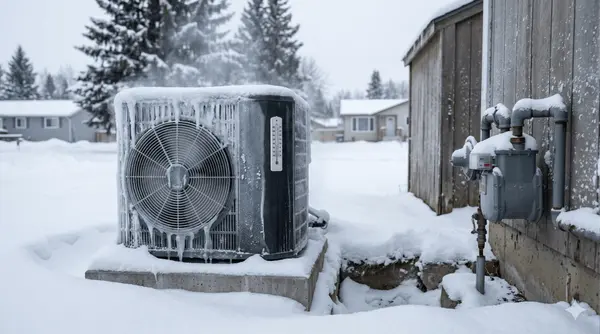
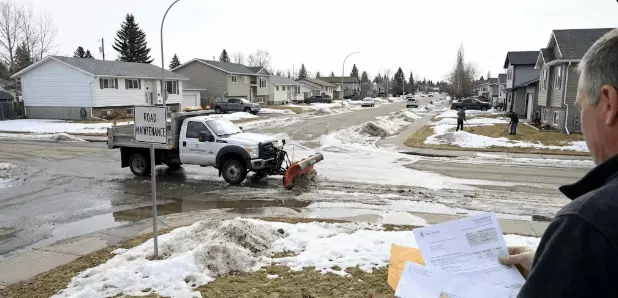
Living in Northern BC means we have to talk about snow. In Prince George, snow control is not just a service; it is a primary source of fiscal volatility. The city budgets millions for plowing, sanding, and removal, but mother nature often has other plans. For example, in 2020, heavy snowfall forced a $10.4 million spend against an $8.5 million budget, requiring the city to dip into reserves.
For 2025, Council approved a $10 million snow control budget, which is actually a slight reduction from previous years. This is what many call "rolling the dice". If we have a mild winter, the budget holds; if we have a record-breaking season, it creates a deficit that must be recovered in future tax years. This "Snow Control Reserve" acts as our buffer to prevent massive, unexpected tax spikes after a particularly snowy winter.
4. Industrial Subsidy: Why PG Stays Affordable
One of the best-kept secrets of Prince George real estate is how much our major industry contributes to keeping residential taxes low. We use a "variable tax rate" system where different classes of property pay different rates. In 2025, Major Industry is taxed at a rate nearly 10 times higher than residential property.
This "tax multiple" policy is a strategic move to preserve residential affordability by shifting a larger share of the burden onto the industrial base, such as pulp mills and refineries. While this creates a "concentration risk" if a major mill were to close, it currently allows Prince George homeowners to pay significantly less in total dollars than residents in cities like Saanich, Nanaimo, or Kamloops.
5. The External 30%: Money the City Doesn't Keep
It is important to remember that the City of Prince George is only responsible for about 70% of your total tax bill. The other 30% is a "flow-through" collected for external authorities. You are also paying for:
- School Taxes: The largest external component, set by the Province.
- Regional Hospital District: Funding 40% of capital costs for facilities like the University Hospital of Northern BC.
- Regional District of Fraser-Fort George (RDFFG): Covering regional services like 9-1-1 dispatch and landfills.
- BC Assessment & MFA: Nominal fees to run the assessment and municipal banking systems.
The City Council has zero discretion over these rates, meaning even if the city froze its own spending, your bill could still rise based on provincial or regional needs.
Conclusion: A Balancing Act for the Future
The 2025 property tax landscape reveals a city in a delicate balancing act. By utilizing dedicated levies like the Road Rehabilitation Levy and the General Infrastructure Reinvestment Fund (GIRF), Prince George is "forcing" itself to save for the future, ensuring our roads and arenas don't crumble. While the 6.21% increase reflects the modern reality of inflation and the need for better public safety, our city remains one of the most affordable places to own a home in British Columbia when compared to our peers.
If you have questions about how these rates impact your property value or your next investment, I am always here to help you navigate the data.
Categories
Recent Posts