Living in Valleyview, Prince George BC: Family Life, Community Vibe, and Real Housing Costs
1) Valleyview at a Glance
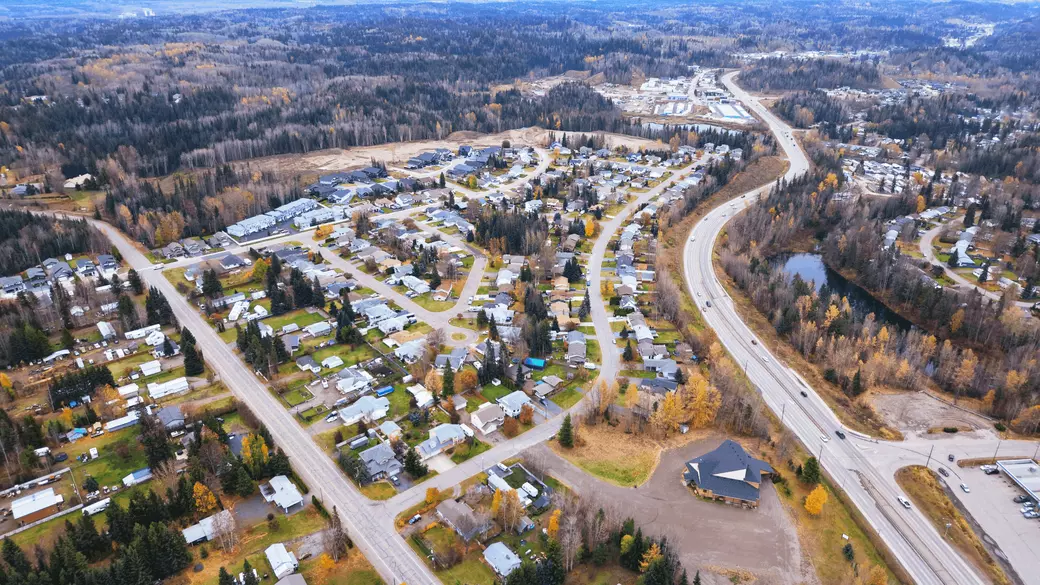
- Peaceful, nature-close residential pocket inside Prince George with a calm, low-density feel and quick access to city services.
- Historically shaped by rural-style land use and AR3 context, which informs the spacious look and quiet streets residents value.
Deep Dive
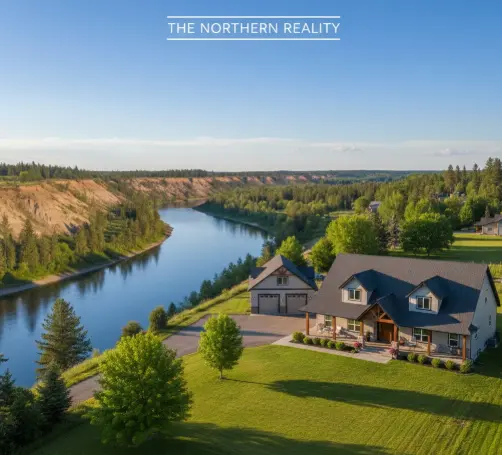
Valleyview feels calm, green, and residential — a peaceful retreat that still lives like part of Prince George. It’s the kind of place where the streets are quiet, yards are generous, and long-time owners take pride in the neighbourhood’s easygoing rhythm and family orientation. That mix of serenity and practicality is why it consistently shows up on buyers’ shortlists.
The look and feel are rooted in its low-density history. Valleyview evolved from rural-style land use, which means more space between homes and a less urban streetscape than you’ll find in denser pockets of the city. Those origins shape expectations around how the area should grow and help explain the strong desire among residents to preserve its established character.
Day to day, you get the best of both worlds: a quieter home base with fast access to the full Prince George services network. Quick drives get you to groceries, health care, banking, cafés, and weekend errands without sacrificing the neighbourhood’s relaxed pace. Families lean on nearby green space too Cpl Darren Fitzpatrick Bravery Park for quick playtime and the city’s broader park and trail system, including destinations like Lheidli T’enneh Memorial Park, for bigger outings. Typical municipal park hours run from early morning to late evening, which keeps outdoor time flexible for busy schedules.
Most households rely on cars, with transit linking Valleyview to Downtown, Spruceland, Heritage, and UNBC for work, school, and activities. That said, walkability is the main caveat: sidewalk coverage is limited in segments, so strollers, scooters, and kid-bike independence can take more planning. This tension easy regional connectivity but patchy pedestrian infrastructure is a recurring theme in local conversations about safety upgrades and how the neighbourhood should evolve.
Finally, the planning context matters. With the provincial expiry of Land Use Contracts in June 2024, properties now follow the City’s replacement zoning. For residents, this is the backdrop to any discussion about suites or carriage houses and part of why neighbours stay engaged in community planning they care about keeping Valleyview’s quiet, family-forward feel while navigating change thoughtfully.
2) Who Typically Chooses Valleyview
- Families wanting a yard, quiet roads, and a neighborhood feel.
- Working households who value a serene home base with quick drives to schools, groceries, health services, and parks.
- A broad income mix supported mainly by employment income, which reinforces stability and low churn.
Deep Dive
Families are the heartbeat here. Parents looking for a quieter street rhythm and room to play gravitate to Valleyview’s low-density feel, parks, and easy access to citywide essentials. The neighbourhood is widely framed as family-friendly and welcoming, which is why first-time buyers and move-up families often put it on their shortlist.
Working households and relocating professionals also land here because the day-to-day is efficient. You get fast drives for errands and strong BC Transit links to Downtown, Spruceland, Heritage, and UNBC, so commuting and campus connections are straightforward. That blend of calm at home plus practical connectivity fits people who want serenity without losing access to work, school, and services.
Downsizers and long-time locals appreciate the stability. The area’s income base skews toward market and employment earnings, which historically supports steady demand and low churn. At the same time, the neighbourhood isn’t monolithic: income distribution is mixed, and the housing stock ranges from single-family homes to townhomes and some apartments, which creates options for different budgets and life stages.
Investors with a patient outlook consider Valleyview when they value stable tenancy profiles and a quieter setting. Many of my investor clients prioritize buying right and holding in family-oriented areas; they care about local fundamentals and conservative cash-flow modeling more than hype. If that’s you, the play here is to match property type to tenant demand, then confirm current permissions under replacement zoning before you underwrite suites or carriage houses.
One honest caveat for all groups is walkability in certain pockets. Sidewalk coverage can be limited, which nudges most households toward a car-forward lifestyle. For families with strollers and scooters, that’s something to weigh against the quiet streets, yards, and green space.
3) Family-Friendly Scorecard
- Streets and safety: calm local roads, but sidewalk coverage is limited in pockets, which affects true walk-to-school independence for younger kids using strollers, scooters, and bikes.
- Parks and play: Cpl Darren Fitzpatrick Bravery Park serves quick daily playtime; weekends often shift to the city’s larger system, including Lheidli T’enneh Memorial Park, trails, and fields, with typical 6 a.m. to 11 p.m. hours.
- Schools and catchments:
- Elementary: Glenview Elementary (K–7)
- Secondary: Shas Ti Kelly Road Secondary (8–12)
- Pro tip: always verify the catchment by exact address with SD57 before writing an offer, and if bussing matters, check eligibility and use the FirstView app for real-time updates.
- Everyday convenience: groceries, health care, banking, coffee, and services are a short drive away thanks to Valleyview’s integration with the broader Prince George network, a key stress reducer for busy families.
- Mobility for older kids and teens: BC Transit links Valleyview with Downtown, Spruceland, Heritage, and UNBC, adding independence for classes, jobs, and activities, even though most households remain car forward.
Deep Dive
Valleyview reads as calm and residential day to day, with quieter local roads than urban cores. The main practical caveat for parents is sidewalk coverage: some segments are missing sidewalks, which can affect true walk-to-school independence for younger kids using strollers, scooters, and bikes. Many families simply adapt by choosing safer loops and leaning on nearby parks for playtime.
Parks and green space are a staple of family life here. Cpl Darren Fitzpatrick Bravery Park anchors quick after-school play, while weekends often expand to the city’s larger system, including Lheidli T’enneh Memorial Park and extensive trails. Typical operating hours of 6 a.m. to 11 p.m. make it easy to fit outdoor time around work and school schedules.
School access is straightforward under School District 57. The local catchments are Glenview Elementary for K–7 and Shas Ti Kelly Road Secondary for grades 8–12. Always verify the catchment by exact address with SD57 before you write an offer, and if bussing matters, check eligibility and use the FirstView app for real-time updates.
Errands are easy to combine in one run. Valleyview connects into the broader Prince George services network, so groceries, health care, banking, coffee, and specialty shops are a short drive away. This balance of quiet at home and quick access to essentials is a big reason families shortlist the neighbourhood.
For teens and older kids, BC Transit adds independence by linking Valleyview to Downtown, Spruceland, Heritage, and UNBC for classes, part-time jobs, and activities. Most households still rely on vehicles because of the sidewalk gaps, but transit provides useful options as kids grow.
4) Daily Conveniences and Getting Around
- Transit: BC Transit routes connect Valleyview to Downtown, Spruceland, Heritage, and UNBC.
- Driving: easy commuting to the urban core for errands and work.
- Walkability paradox: great regional connectivity by car and bus, weaker pedestrian infrastructure in some spots. Plan for a car-forward lifestyle.
Deep Dive
Day-to-day errands are simple because Valleyview plugs into Prince George’s broader service web. You can reach groceries, banking, health care, and cafés with short drives, which keeps weekday logistics tight and reduces multi-stop stress for families. That convenience is a big part of the neighbourhood’s appeal and helps it feel connected without giving up its calm, residential pace.
Transit adds another layer of flexibility. BC Transit routes link Valleyview to key destinations including Downtown, the Spruceland area, Heritage, and the UNBC campus, giving students and commuters reliable options beyond the car. These connections make it easy to get to classes, jobs, and city amenities while keeping home life quiet.
For most households, driving remains the primary mode because of the neighbourhood’s layout and sidewalk gaps in certain segments. Residents often describe commuting by car as straightforward, and the overall experience is characterized as an easy commute to the urban core. This is the practical flip side of Valleyview’s low-density feel: excellent vehicle access with less emphasis on walking for daily errands.
The walkability paradox is the honest tradeoff to note. While connectivity by road and transit is strong, sidewalk coverage is limited in places, which affects stroller and scooter use and makes purely pedestrian routines harder to maintain. Families typically adapt by planning the safest walking loops, leaning on parks for playtime, and using transit or the car for longer trips. Any future densification discussions in the city tend to include sidewalks and pedestrian safety, reflecting the community’s interest in improving this aspect over time.
5) Housing Types You Will Actually See
- Single-family homes on generous lots are the staple, complemented by modern townhomes and some apartments that improve entry-level options.
- Character preservation is a strong community value, which shapes attitudes toward infill and higher density.
Deep Dive
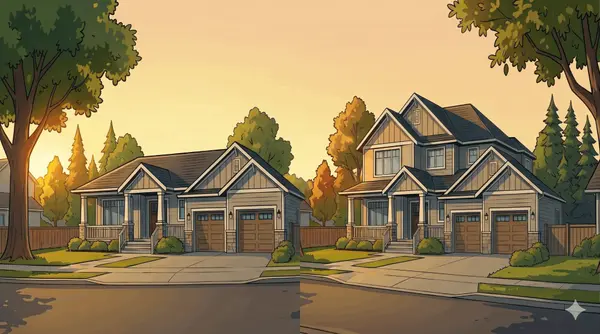
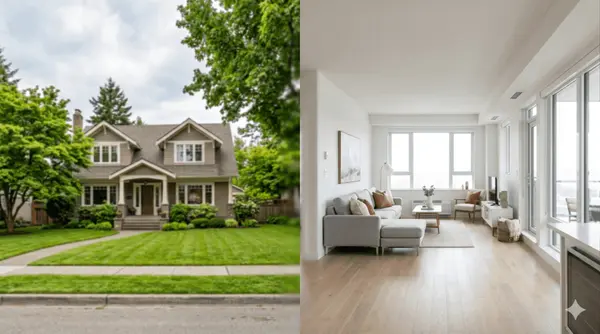
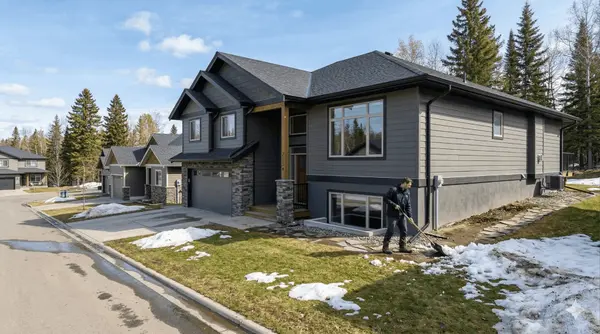
The backbone of Valleyview is classic single family homes on generous lots. That spacious, low-density feel comes from its historical development pattern, which prioritized a quieter, rural-lite streetscape over tightly packed infill. You will also find modern townhomes and some apartments, which broaden entry points for first-time buyers and downsizers without changing the overall residential character families come for.
Character preservation is a big part of the local identity. Many long-time owners value the peace, privacy, and yard space that define the neighbourhood, so conversations about adding density are approached carefully. This community posture helps explain why the area still “reads” as a quiet pocket even as the city grows around it. If you love established streets with a stable vibe, this is a strong match.
From a planning standpoint, the province ended Land Use Contracts in June 2024, and properties now follow the City’s replacement zoning. On a case-by-case basis, that can affect what is possible on a given lot, including whether a secondary suite or carriage house could be permitted. Buyers and investors should verify current permissions with Development Services and confirm parcel details on PGMap before underwriting any value-add plan.
For renters, the broader Prince George market has shown softer averages recently, with typical apartment bands citywide around the low to mid one-thousands per month depending on size and location. While Valleyview is primarily a homeowner area, renters benefit from those macro ranges and the calm setting, which can suit households prioritizing peace and proximity to parks and services.
Practical tip for shoppers. If you want yard space and quiet nights, focus on detached inventory near established green pockets like Mueller Park. If convenience and lower maintenance lead the list, short-list townhomes that keep you close to key routes and services. In both cases, align the monthly number to your comfort rather than your pre-approval ceiling so the home fits your life today and five winters from now.
6) Cost of Living and Housing: Realistic Budgeting
Ownership context
- Residents rely heavily on market and employment income, a positive sign for stable demand. Market income 80.8 percent. Employment income 67.6 percent.
- The income mix is diverse. About 1,560 economic families with roughly half in the lower half of adjusted after-tax income, which aligns with the range of available home types.
Renting context
- Citywide apartment bands typically sit around C$1,129 to C$1,647 per month, with recent softness in average rents. Valleyview renters benefit from those macro ranges.
Homeowner monthly line items
- Mortgage payment based on rate and down payment
- Property taxes and home insurance
- Utilities for a northern climate such as hydro, gas, water, garbage
- Internet and mobile
- Maintenance reserve for winter wear, roofs, furnaces, and yard care
Deep Dive
Valleyview’s housing market sits on a stable economic base, which is one reason families and long-term owners feel comfortable here. Residents rely primarily on employment and market income rather than government transfers, a pattern associated with steady housing demand through different parts of the cycle. In the latest profile used for this guide, market income accounted for about 80.8 percent of total income and employment income about 67.6 percent, even during a period of broader economic volatility.
At the household level, the neighbourhood is diverse rather than uniformly affluent. There are roughly 1,560 economic families, and about half fall in the lower half of the adjusted after-tax distribution. That mix shows up in the streetscape: classic detached homes on larger lots alongside townhomes and some apartments, which creates on-ramps for first-time buyers and downsizers while keeping a family-forward feel.
For renters, use the broader Prince George market as your reference point. Typical apartment bands citywide have been around the low to mid one-thousands per month depending on size and location, and recent trends showed some softness in average rents. While Valleyview is primarily a homeowner area, households who prefer renting can benefit from those macro ranges while enjoying the quieter setting.
Owners should think in terms of an all-in monthly number, not just the mortgage. The practical line items in Valleyview include mortgage principal and interest, property taxes, home insurance, and northern-climate utilities such as hydro and natural gas. Add internet and mobile, and keep a maintenance reserve for winter wear items like roofs, furnaces, and driveways, plus yard care for larger lots. This is the budgeting approach I use with clients so the home fits both today and five winters from now, not just the day you get the keys.
A quick way to pressure-test affordability is to separate what you are approved for from what you are comfortable paying. Many buyers can qualify for a higher number than they want to carry once they add realistic utilities, insurance, and a maintenance buffer. My guidance is to start with your comfort payment, then shop into that number; it keeps the move secure and supported instead of house-poor and stressful.
Finally, if you are modeling a secondary suite or carriage house to offset costs, pause and verify permissions first. The province ended Land Use Contracts in June 2024 and properties now follow the City’s replacement zoning, so what is allowed can change by lot. Confirm current rules with Development Services and pull parcel details on PGMap before you underwrite any revenue.
7) Zoning and Planning: What Changed in 2024
- Provincial expiry of Land Use Contracts occurred in June 2024. Properties default to the City’s replacement zoning. Some lots may gain potential for suites or carriage houses, but always confirm specifics with Development Services.
- Sidewalk and servicing capacity are key friction points in any density conversation. Expect infrastructure to be part of the policy and budget dialogue.
Deep Dive
In June 2024, the province ended Land Use Contracts, which means Valleyview properties now default to the City of Prince George’s replacement zoning. Practically, this is the new rulebook for what you can build and how you can use a property. For some lots, replacement zoning may open the door to options like a secondary suite or a small accessory dwelling, but permissions vary by parcel and the community is attentive to how change affects its low-density character.
Why this is sensitive in Valleyview comes down to history and infrastructure. The area’s identity formed under rural-style contexts such as AR3, which fostered spacious lots and quiet streets. As soon as a proposal hints at added density, long-time residents often scrutinize it because they chose the neighbourhood for its established character. A recent flashpoint around a carriage house proposal illustrates how even small steps can spark concerns about precedent.
Infrastructure capacity is the practical brake on any rapid shift. Residents have flagged sidewalk gaps as a core issue for safety and mobility. If more dwellings are added over time, the City faces pressure to improve pedestrian and service infrastructure, which can involve significant capital. Buyers should understand that upgrades might eventually be funded through citywide budgets or local improvement mechanisms, and timelines can be multi-year.
Community organization is rising alongside these changes. During public discussion, the idea of a formal community association surfaced to give residents a stronger voice with City Hall as replacement zoning is interpreted and applied. For newcomers, this is a signal that neighbourhood engagement is high and that development conversations will be thorough rather than rushed.
What smart due diligence looks like now. First, pull the parcel on PGMap and read the current zoning and any overlays for that exact address, then call Development Services to confirm in writing what is permitted today for suites, carriage houses, lot coverage, and parking. Second, ask whether any engineering or sidewalk upgrades are planned or levied for your block in the next budget cycle. Third, if your financial model depends on added density, underwrite a conservative base case with no additional dwelling and treat any extra unit as upside only after you verify permissions. Fourth, if you value the quiet feel above all else, target streets near confirmed green space like Mueller Park, which naturally buffers against future infill pressure.
Bottom line for 2024 and beyond. Valleyview remains a calm, family-forward pocket, but it is navigating a policy transition. Treat zoning as a living framework rather than a static label, confirm permissions case by case, and factor sidewalk and servicing realities into your long-term plan. Done this way, you keep Valleyview’s strengths while avoiding surprises.
8) Pros and Considerations
Pros
- Calm, low-density feel with nature close by and strong family identity.
- Mix of housing types that support first-time buyers, move-up families, and downsizers.
- Good regional connectivity by car and bus.
Considerations
- Sidewalk gaps mean many errands are car-based, especially with kids.
- Replacement zoning is active policy. Verify permissions for suites and outbuildings on a specific address.
Deep Dive
The biggest advantage in Valleyview is the daily feel. Streets are calm, yards are generous, and the setting is close to nature while still functioning as part of Prince George. That low density rhythm is a core reason families and long-time owners stay. When you add in the city’s wider amenities network within a short drive, the lifestyle reads as quiet at home and convenient when you need it.
Housing variety is another plus. The area is anchored by single family homes, complemented by townhomes and some apartments. This mix supports first-time buyers, move-up households, and downsizers in the same neighbourhood, which helps community continuity over time. A strong share of employment and market income in the local profile also points to economic steadiness that tends to support housing demand through cycles.
Connectivity scores well for a residential pocket. Commuting by car is straightforward and BC Transit routes link Valleyview with key destinations such as Downtown, Spruceland, Heritage, and UNBC. For families with teens or for anyone who wants options beyond driving, those routes add useful flexibility for classes, jobs, and errands.
On the consideration side, walkability is the honest caveat. Sidewalk coverage is limited in segments, which affects stroller and scooter use and makes purely pedestrian routines harder to sustain. Most households simply plan for a car-forward lifestyle and use parks for daily movement, but if walking is a must-have, note this early. A second consideration is policy. The province ended Land Use Contracts in June 2024 and properties now follow replacement zoning by the City, so permissions for suites or carriage houses depend on the exact lot and current bylaws. Valleyview residents are engaged in planning conversations, so change tends to be deliberate and closely reviewed.
Bottom line. If you want a quiet, green-feeling base with simple access to city services and a range of housing types, Valleyview checks a lot of boxes. Just verify walkability for your exact block, confirm current permissions before underwriting any extra unit, and enjoy the calm that drew people here in the first place.
9) Street-Smart Due Diligence Checklist
- Confirm school catchments with SD57 using the district’s tools. GlenView Elementary and Kelly Road are main catchments for the area.
- Pull zoning and parcel details on PGMap and speak with the City about current permissions for secondary suites or carriage houses.
- Walk the block at different times to assess lighting, sidewalks, and traffic.
- Align payments to comfort, not just pre-approval ceilings. My approach is education first so you do not go house poor.
Deep Dive
Start with schools, because daily life tends to orbit the bell schedule. Confirm the exact catchment for the address with School District 57, then check busing eligibility and set up the FirstView app so you can see how pickups work in winter. Boundaries and routes can shift, so verify before you write an offer.
Pull the property on PGMap and read the current zoning and any overlays for that specific lot. With the province having ended Land Use Contracts in June 2024, parcels now follow the City’s replacement zoning, which is the live rulebook for suites, carriage houses, coverage, and parking. Call Development Services to confirm permissions in writing if you are counting on a secondary unit for affordability.
Do a walking and mobility audit at the times you would actually use the streets. Because sidewalk coverage is limited in segments, walk your school and park routes at bell time and early evening to see crossings, lighting, and traffic patterns. If the family plan involves strollers, scooters, or kid bikes, this single test often makes the decision clear.
Pressure test the commute and errands. Drive your most common loops during peak hours and, if relevant, ride BC Transit to Downtown, Spruceland, Heritage, or UNBC to judge timing and transfers for teens or campus users. Valleyview is well connected by car and bus, which keeps life efficient even if most households remain car forward.
Budget to your comfort number, not your ceiling. Build a monthly figure that includes mortgage or rent, property taxes or insurance, utilities for a northern climate, and a maintenance reserve for roofs, furnaces, and winter wear items. This is the approach I use so clients avoid going house poor and keep the move feeling secure and supported.
Scan the neighbourhood context. Note proximity to green space like Mueller Park, which can act as a character buffer and preserve the low-density feel many residents value. If you are noise sensitive or privacy focused, lots near established parks often align with those priorities.
If your plan includes adding a suite or small accessory dwelling, underwrite a conservative base case with no extra unit and treat any added revenue as upside only after the City confirms permissions. This protects you from policy or infrastructure timing risks while Valleyview navigates its post-LUC zoning era.
Finally, engage like a local. Valleyview residents are active in planning conversations, and a formal association has been discussed. Skim recent meeting notes or community updates so you understand the temperature on sidewalks, density, and servicing. It will help you choose the right street and set realistic expectations for change.
10) Quick Answers
- Is Valleyview family friendly
Yes. The area reads calm and residential, with quiet streets, yards, and nearby green space. Families lean on Cpl Darren Fitzpatrick Bravery Park for quick play and use the wider Prince George park network on weekends. Sidewalk coverage is limited in segments, so most households plan for a car-forward routine. - What is the community vibe
Welcoming and prideful of its low-density character. Residents are engaged in planning conversations, which keeps changes deliberate and aligned with the neighbourhood’s quiet feel. - What schools serve Valleyview
Glenview Elementary for K to 7 and Shas Ti Kelly Road Secondary for 8 to 12. Always verify the catchment by exact address with School District 57 and check busing eligibility using the district tools and the FirstView app. - How walkable is Valleyview
Walking for daily errands is limited in places due to sidewalk gaps, but driving and transit connectivity are strong. Families often pair short drives with park time for daily movement. - How is the commute and transit
Driving access is straightforward for errands and work, and BC Transit links Valleyview to Downtown, Spruceland, Heritage, and UNBC for classes and jobs. - What housing types are common
Primarily single family homes on larger lots, complemented by modern townhomes and some apartments that broaden entry points for first-time buyers and downsizers. - What does it cost to live in Valleyview
Ownership costs vary by property, but budgeting should include mortgage or rent plus taxes or insurance, northern utilities, and a maintenance reserve. Citywide apartment rents have recently trended in the low to mid one-thousands per month depending on size, which frames renter expectations in Valleyview. - Any zoning changes I should know about
Yes. The province ended Land Use Contracts in June 2024. Properties now follow the City’s replacement zoning, so permissions for suites or carriage houses depend on the exact lot and current bylaws. Confirm details with Development Services and PGMap before assuming added density. - What are the pros and tradeoffs in one line
Pros include calm streets, generous lots, park access, and easy car and bus connections. Tradeoffs include patchy sidewalks and a deliberate approach to change as replacement zoning rolls out. - If I am touring homes this weekend, what should I do first
Verify the address against SD57 catchments, pull the parcel on PGMap to read current zoning, walk the school route at bell time to check sidewalk and lighting, and build a comfort-first monthly budget before you fall in love with a house.
Final Thoughts
- If Valleyview is on your shortlist, let’s turn curiosity into clarity. I will pull the exact parcel on PGMap, confirm today’s zoning with the City of Prince George, and outline what is truly possible on that lot. I will verify SD57 catchment by address, check bus eligibility, and map the school commute at bell time. I will also model a comfort-first monthly number that includes mortgage or rent, taxes or insurance, realistic northern utilities, and a maintenance buffer so you never feel house poor. If you are weighing rent versus buy, I can run both scenarios side by side. Beyond the numbers, I will connect you with trusted local lenders, inspectors, and contractors, share my buyer and seller guides, and plan a weekend tour that strings together the right streets, parks, and errands for how you actually live.
Call to Action
- Message Evan McLeish at EMP Collective for a block by block plan that fits your family, your budget, and your timing. You will get straight talk, local data, and a simple path to yes or no so the move feels secure and supported from day one.
Categories
Recent Posts